
Coming Out is a Major Event Burie Shibata (Owner of a Gay Bar in Shinjuku Ni-chome)
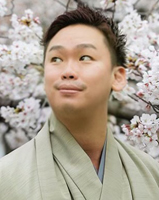
Last time, I touched on coming out, and for sexual minorities, it’s no exaggeration to say that coming out is one of the biggest events in their lives.
Not only their parents, but also the stares from their colleagues and people in their community can feel “frightening.”
This feeling of “fear” is a major reason why sexual minorities are truly minorities. Personally, I believe that this fear is the biggest divide between LGBTQ people and “normal people” and “minority people.”
Last time, I mentioned that I would talk about my own coming out.
I myself have been gay since I was a child. More than 30 years ago, when mobile phones were not yet common and the internet was just beginning to become widespread, information about LGBTQ was almost completely unavailable.
Growing up, I was convinced from a young age that “I am a flawed person.”
The anguish of having to like women is something only those who experience it can truly understand. I finally came out on my 20th birthday.
At the time, I was a university student in Tokyo, away from my hometown of Miyazaki. I still vividly remember my hands and voice trembling, repeatedly opening and closing my mother’s profile picture on my phone.
Gathering my courage, half-crying, I told my mother, “Actually… I can’t like women… I’m gay and I like men.”
I clearly remember feeling apologetic at that moment, thinking, “I’m sorry I was born gay.”
However, my mother’s response was completely unexpected.
“No! That’s not important! More importantly, what about this month’s scholarship?!” she said in thick Miyazaki dialect, dismissing my once-in-a-lifetime coming out.
Looking back now, I think it was her way of showing kindness, and she must have already realized I was gay. However, for me, the person directly involved, the moment I was dismissed with a simple “That doesn’t matter” was the greatest relief.
I had been thinking about everything in a negative light—that I wouldn’t be able to show my parents grandchildren because I was born gay, and that since I only have one sister, I would lose my direct lineage—so it felt like a weight had been lifted off my shoulders.
When I tell my mother about that time, she brushes it off, saying, “Huh? Did that happen? I don’t remember,” but I’ve heard from others that she regretted it, saying, “I’m so sorry that I made him pretend to be someone he wasn’t for 20 years. You can’t understand your child’s heart…” Deep down, I had always felt sorry for being an unfilial child, but on my 20th birthday, I was reminded once again how grateful I was to have been born to these parents.
※Translating Japanese articles into English with AI